Buy Refurbished
Refurbished vs New vs Used Phone: Chicago Buying Guide
Trying to decide between a refurbished, new, or used phone? This Chicago buying guide breaks down cost, quality, and risk so you can make the smartest choice.

Refurbished vs New vs Used Phone: Which One Should You Actually Buy?
Few decisions in consumer electronics feel as loaded as buying a phone. Walk into a carrier store on Michigan Avenue and you'll pay full retail. Browse Craigslist and you might get a great deal or a headache. Check a certified refurbished listing and you're somewhere in the middle, but not all refurbished phones are created equal. This guide cuts through the noise so Chicago shoppers, and anyone reading nationwide, can confidently choose between a refurbished, new, or used phone based on real tradeoffs, not marketing language.
The primary question, refurbished vs new vs used, comes down to three factors: price, reliability, and what protection you get when something goes wrong.

What Exactly Do These Three Categories Mean?
Before comparing prices or quality, it helps to be precise about terminology, because retailers are not always consistent.
New Phones
A new phone is factory-sealed, never activated, and covered by the manufacturer's full warranty (typically one year for Apple and Samsung). You're paying for the complete, untouched experience, updated software out of the box, full accessories, and zero prior wear.
Certified Refurbished Phones
Certified refurbished means the device was returned, inspected, repaired to a defined standard, and re-sold. The word "certified" matters. Apple's Certified Refurbished program, for instance, replaces the battery and outer shell, runs full diagnostics, and ships the phone in new packaging with a one-year warranty. Samsung, Best Buy, and carriers like Verizon and AT&T run similar programs with graded condition tiers (Grade A, Grade B, etc.).
Lower-tier refurbishers, including many third-party Amazon sellers, may use "refurbished" loosely. Always check who did the refurbishment and what warranty backs it.
Used Phones
A used phone is sold as-is, usually by a private seller or a shop that does not grade or repair devices before resale. Condition varies wildly. A used iPhone 14 from someone who kept it in a case and replaced it after 14 months is very different from one that sat in a drawer for three years.
Side-by-Side Comparison: Refurbished vs New vs Used
Here's how the three options stack up across the categories that matter most to most buyers.
| Factor | New | Certified Refurbished | Used (Private/Ungraded) | |---|---|---|---| | Price vs. retail | Full price | 15-40% off | 20-60% off | | Warranty | 1 year (mfr.) | 90 days to 1 year | None (usually) | | Battery health | 100% | Reset or tested | Unknown | | Cosmetic condition | Perfect | Grade A: near-perfect | Varies widely | | Risk of hidden defects | Very low | Low (if certified) | High | | Accessories included | Full set | Often full set | Rarely | | Best for | Long-term keepers | Value-focused buyers | Bargain hunters |
For most people reading this in Chicago or anywhere else, certified refurbished hits the best balance between savings and reliability. The gap between a new iPhone 16 and an Apple Certified Refurbished iPhone 15 Pro is often $300 or more, with very little real-world difference in day-to-day performance.
How Much Can You Actually Save? Real Model Examples
To make the comparison concrete, here are approximate price ranges as of early 2025. Prices shift frequently, so treat these as ballpark figures.
| Model | New (MSRP) | Certified Refurbished | Used (Private Sale) | |---|---|---|---| | iPhone 16 Pro 128GB | $999 | $800-$870 | $700-$850 | | iPhone 15 128GB | $799 | $550-$650 | $450-$600 | | Samsung Galaxy S24 | $799 | $500-$620 | $400-$550 | | Google Pixel 8a | $499 | $350-$400 | $280-$370 | | iPhone 13 128GB | $599 (carrier) | $350-$430 | $250-$370 |
If you're buying a refurbished phone to resell later or trade in at a Chicago buyback shop, keep in mind that condition grading will affect what you're offered. A Grade A refurbished device in excellent shape can fetch nearly as much as a new one at trade-in.

Key Risks to Understand Before You Buy
The Battery Problem with Used Phones
Battery health is the single biggest hidden cost in any used phone purchase. An iPhone showing 79% battery health may need a $99 replacement within months. Always check Settings > Battery > Battery Health before buying any used iPhone, or ask a seller to show you the screen before money changes hands. Android phones require third-party apps like AccuBattery to read true battery cycle counts.
Certified refurbished programs from reputable sources typically test or replace the battery. That alone often justifies the small premium over a private-party used phone.
IMEI Blacklisting
A used phone can be blacklisted if the previous owner reported it stolen, stopped paying installment plan payments, or if it was involved in fraud. Always check the IMEI number on any used or refurbished phone before buying. Free tools like IMEI.info or your carrier's IMEI checker take under two minutes and can save you from buying a phone that won't activate on any U.S. network.
Chicago's Wicker Park, Pilsen, and Logan Square have active resale communities through Facebook Marketplace and local buy-sell groups. The deals can be excellent, and the risks are real. Carry your phone, check the IMEI on the spot.
Warranty Gaps
If you buy a used phone and something fails two months later, you're paying for repair out of pocket. In Chicago, screen repairs for popular models run $80-$250 depending on the shop and device. That cost can erase the savings from buying used in the first place. If you want repair coverage without buying new, look into AppleCare+ (available on refurbished iPhones) or third-party warranty providers like Asurion.
For more on repair costs and what to expect at local shops, see our guide to iPhone screen repair pricing in Chicago and our overview of common phone repairs and what they cost.
When Buying New Actually Makes Sense
New phones are not always a bad call. Here are situations where paying full price is the rational choice:
- You keep phones four or more years and want the longest possible software support window.
- You're buying for a child or someone who needs a current-model device with active manufacturer support.
- You're financing through a carrier and the monthly difference versus refurbished is small.
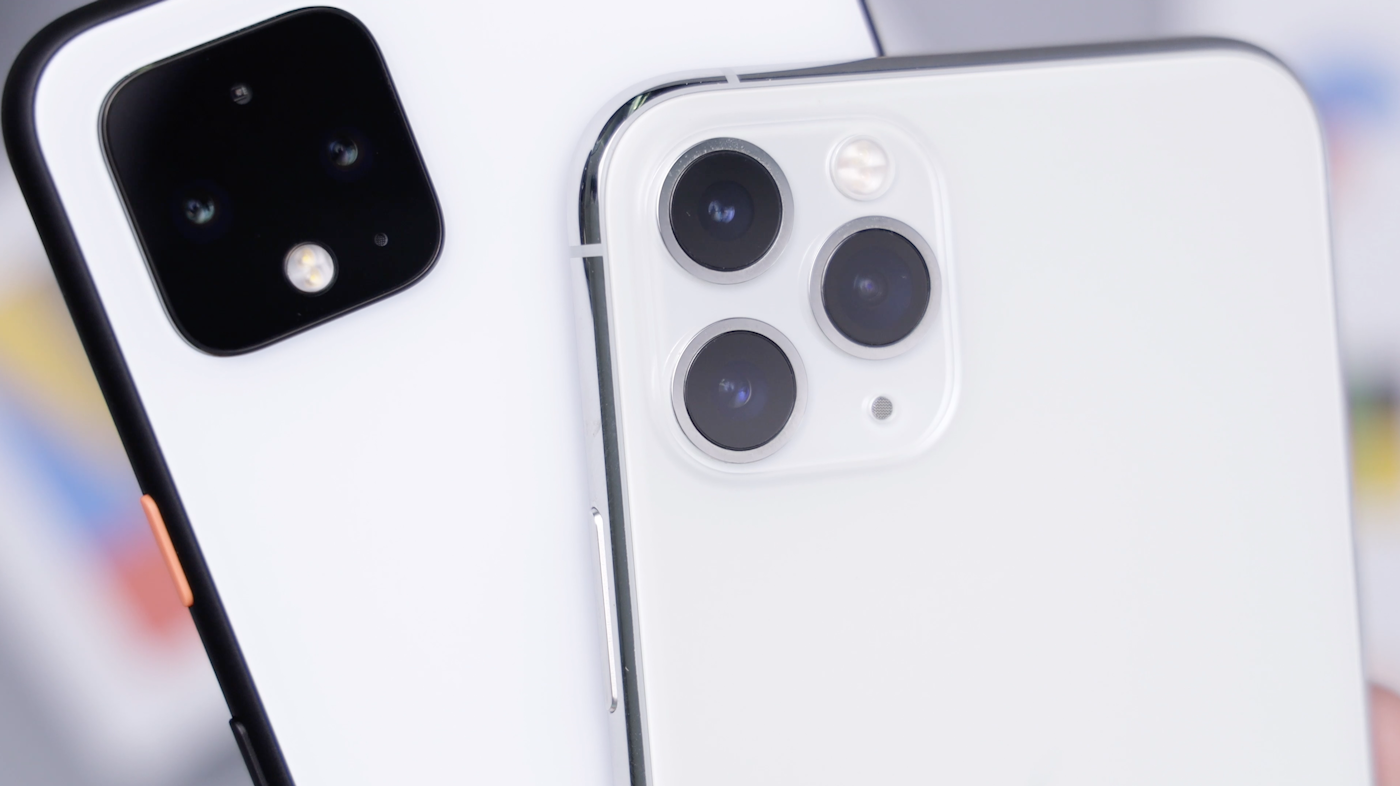
- You want the absolute latest camera hardware (the jump from one generation to the next is often most noticeable in photography).
- You need a specific color or storage configuration that isn't available refurbished.
How to Buy a Certified Refurbished Phone Safely
Not all refurbished phones are equal. Follow these steps to avoid getting burned.
- Buy from a recognized source. Apple's own refurbished store, Samsung's certified program, Best Buy's Geek Squad Certified, and major carriers are the safest bets. For third-party options, look for sellers with at least 1,000 reviews and a 95%+ positive rating.
- Verify the grading system. Grade A should mean no visible scratches at arm's length. Grade B may show minor marks. Avoid "Grade C" or unspecified condition listings.
- Confirm warranty terms in writing. Ninety days is the minimum acceptable. One year is better.
- Check return policy. A 30-day return window gives you time to test the phone thoroughly.
- Run diagnostics. Apps like Phone Diagnostics (iOS) or Phone Check (Android) test camera, speaker, microphone, touchscreen, and sensors in minutes.
- Register the IMEI with your carrier as soon as you activate to confirm clean status.
If you're also considering selling your current phone to offset the cost of the new purchase, our guide to selling your phone for cash in Chicago covers what to expect from local buyback shops and online platforms.
The Chicago Angle: Where Local Conditions Matter
Chicago winters are hard on phones. Cold temperatures below 20°F cause batteries to drain faster and can temporarily shut down devices, a common issue in February for anyone waiting for the Red Line at Belmont. If you're buying a used or refurbished phone heading into winter, prioritize battery health above almost everything else. A phone with 85% battery health in October may feel like it has 65% health in January.
Chicago also has a robust electronics resale market. Neighborhoods like Andersonville, Bucktown, and the West Loop have independent shops that sell tested, graded used phones with short warranties. These can be solid middle-ground options between certified refurbished from a big retailer and a purely private-party sale. Ask what testing process they use and whether they'll show you the battery health reading.
For anyone considering trading in a current device before upgrading, compare buyback offers from at least three sources. Local shops, carrier trade-in programs, and national buyback sites like Decluttr or SellCell often differ by $50 to $150 for the same device. Our electronics buyback comparison guide walks through where Chicago residents tend to get the best offers.
Final Recommendation
For most buyers, certified refurbished is the sweet spot. You get a phone that has been inspected and, in the best programs, has a new battery and shell, backed by a real warranty, at a meaningful discount. New phones make sense for heavy long-term users or anyone buying the very latest camera hardware. Used phones from private sellers can be great deals but require due diligence on battery health, IMEI status, and cosmetic condition.
Whatever you choose, take ten minutes to verify the basics before money changes hands. That small investment of time is what separates a great phone deal from an expensive lesson.
Frequently asked questions
Is a certified refurbished phone as good as new?
In most practical ways, yes. Certified refurbished phones from programs like Apple's or Samsung's official stores are inspected, repaired, and tested to manufacturer standards. The battery is checked or replaced, and the device comes with a warranty. The main difference is cosmetic: even Grade A devices may have minor marks invisible at arm's length.
What is the difference between refurbished and used when buying a phone?
A used phone is sold largely as-is with no standardized testing or warranty. A refurbished phone has been inspected, repaired where needed, and graded for condition. Certified refurbished programs also include a warranty, often 90 days to one year, which used phones almost never come with.
How can I check if a used phone is blacklisted before buying?
Enter the phone's IMEI number (dial *#06# or find it in Settings > General > About) into a free checker like IMEI.info or your carrier's official IMEI tool. This takes about two minutes and confirms whether the device is reported stolen or has unpaid financing that could block network activation.
Where is the best place to buy a certified refurbished iPhone in Chicago?
Apple's own refurbished store (apple.com/shop/refurbished) ships to any Chicago ZIP code and offers the strongest warranty. Best Buy locations throughout Chicago also carry Geek Squad Certified refurbished iPhones with a one-year warranty. For in-person shopping, look for reputable independent shops in neighborhoods like Wicker Park or Andersonville that show battery health and offer at least a 30-day return.
Does Chicago's cold weather affect refurbished or used phone batteries more?
Yes. Lithium-ion batteries lose effective capacity in cold temperatures, typically below 32°F. A phone with already-degraded battery health, common in older used phones, will show significantly worse performance in a Chicago winter. Always prioritize battery health above 85% when buying any used or refurbished device before the cold months.
Can I return a refurbished phone if I'm not satisfied?
It depends on the seller. Apple's certified refurbished store offers a 14-day return window, while Best Buy typically allows 15 days (or more for members). Third-party sellers vary widely. Always confirm the return policy before purchasing, and avoid any refurbished listing that does not clearly state a return period.
Keep reading