Sell Your Phone
Selling a Blacklisted iPhone in Chicago: Bad ESN Guide
Have a blacklisted iPhone or bad ESN device in Chicago? Learn what it means, what it's worth, and exactly where and how to sell it for the most cash.
What Does a Bad ESN or Blacklisted iPhone Actually Mean?
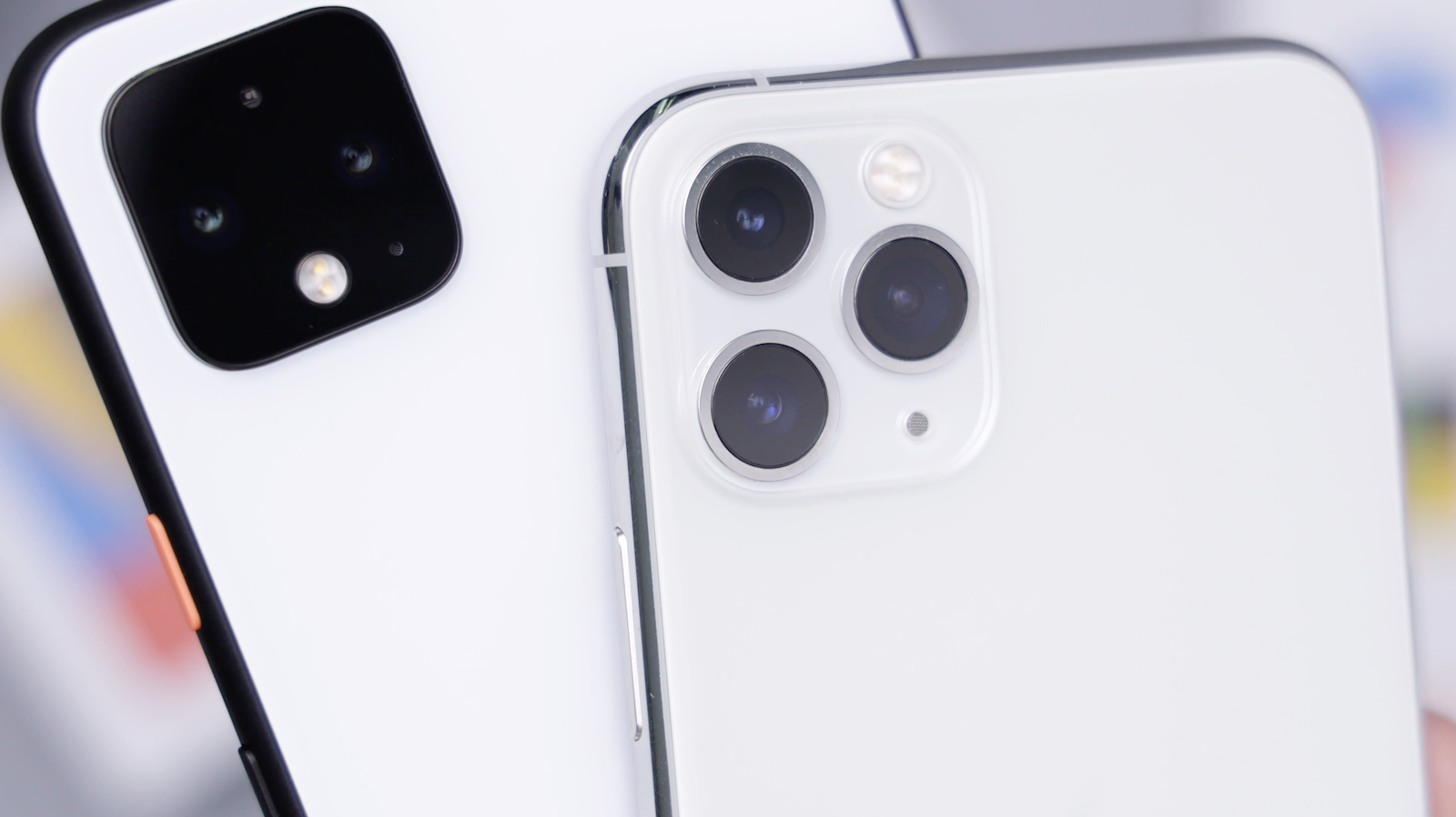
If you've tried to sell or trade in an iPhone and been told it has a "bad ESN" or is "blacklisted," you're not alone. These terms come up constantly at Chicago buyback counters and online trade-in portals, and they can cut your payout by 40 to 80 percent overnight. Understanding exactly what's going on is the first step to getting any money back from that device sitting in a drawer.
A bad ESN (Electronic Serial Number) or blacklisted IMEI means the device has been flagged in a carrier database, most commonly GSMA's Device Check or a U.S.-specific carrier list. Once flagged, the phone cannot be activated on a domestic carrier network. Buyers can still use it on Wi-Fi, some international carriers, or for parts, but the pool of buyers shrinks fast.
Common reasons an iPhone ends up blacklisted:
- Reported lost or stolen by the original owner or insurer
- Unpaid balance on a carrier installment plan (the most common reason in Chicago buyback shops)
- Insurance fraud claim filed after the phone was sold
- Carrier contractual dispute
Note: only carriers and the original account holder can remove a blacklist flag. Third-party "IMEI unlock" services advertised online cannot legally or reliably remove a true carrier blacklist in the United States.
How to Check If Your iPhone Is Blacklisted Before You Sell
Always run a status check before walking into a shop or shipping your phone. Knowing the status ahead of time prevents surprises and lets you set a realistic price expectation.
Free check options:
- IMEI.info (free basic report)
- Your carrier's website (AT&T, T-Mobile, and Verizon all offer IMEI status lookups)
- Apple's Activation Lock check at checkcoverage.apple.com
Paid check options (more detail):
- Swappa IMEI Check ($2.99)
- IMEI Pro ($4.95 for a full report including carrier and blacklist status)
Dial *#06# on the iPhone to pull up the IMEI number, or find it in Settings > General > About.
What Is a Blacklisted iPhone Worth in Chicago's Buyback Market?
This is where sellers get frustrated. A blacklisted iPhone sells for significantly less than a clean-IMEI device, but it is not worthless. Parts buyers, international resellers, and refurbishers who work with overseas markets still want these phones.
Here's a realistic price comparison for common models as of mid-2025 at Chicago-area buyback windows:
| Model | Clean IMEI Value | Bad ESN / Blacklisted Value | % Reduction | |---|---|---|---| | iPhone 15 Pro (256GB) | $620–$700 | $180–$280 | ~60% | | iPhone 14 (128GB) | $340–$420 | $90–$160 | ~65% | | iPhone 13 (128GB) | $220–$290 | $70–$120 | ~65% | | iPhone 12 (64GB) | $130–$170 | $40–$75 | ~60% | | iPhone 11 (64GB) | $80–$120 | $25–$55 | ~65% | | iPhone XR (64GB) | $60–$90 | $15–$40 | ~65% |
Prices vary by condition, storage, and current demand. A blacklisted iPhone 15 Pro Max in mint condition with all original accessories will always fetch more than a cracked-screen iPhone 15 Pro Max with the same status. Condition still matters, even on flagged devices.
Your Best Options for Selling a Blacklisted iPhone in Chicago
1. Local Chicago Electronics Buyback Shops
Local shops are often your fastest path to cash. Many shops in neighborhoods like Wicker Park, Logan Square, Rogers Park, and along Milwaukee Avenue deal in parts phones and flagged devices regularly. Walk in, get a quote, and walk out with cash the same day.
Tips for local sellers:
- Call ahead and confirm the shop buys bad ESN or blacklisted iPhones specifically. Not every shop does.
- Bring your original receipt or proof of purchase if you have it. It builds trust and can bump the offer slightly.
- Visit two or three shops and use competing offers as leverage.
- Chicago has no shortage of small independent shops in the Loop, Lakeview, and Pilsen. Don't settle for the first offer.
2. Online Buyback Platforms That Accept Bad ESN Devices
Several national platforms explicitly accept blacklisted iPhones, though payouts are lower than clean devices:
- SellBroke.com specializes in broken and flagged phones
- BuyBackWorld accepts bad ESN iPhones with adjusted pricing
- GadgetGone offers instant quotes and clearly lists blacklist-affected pricing
- Swappa (peer-to-peer): sellers must disclose blacklist status, but international buyers and parts buyers shop here
Shipping takes time, but online platforms sometimes beat local shop prices for newer flagged models because they have a larger resale network.
3. eBay or Facebook Marketplace (Peer-to-Peer)
Selling directly to an individual buyer typically yields the highest return, but requires more effort and comes with risk.
On eBay: List the phone clearly as "bad ESN / blacklisted" in the title and description. Never bury this information. Buyers who want parts phones or international buyers search specifically for these listings. Use eBay's seller protections and only ship to confirmed addresses.
On Facebook Marketplace: Chicago has active local buy-sell-trade groups. The upside is cash in hand and no shipping. The downside is meeting strangers, which requires common-sense safety precautions. Meet at a public spot like a library, coffee shop, or a Chicago Police Department lobby (CPD has published safe exchange location lists).
4. Parts Buyers and Repair Shops
iPhone repair shops in Chicago buy bad ESN phones purely for components: screens, batteries, cameras, Face ID modules, and logic boards. If your iPhone has a shattered screen but is otherwise functional, a repair shop may still offer $40 to $80 for a blacklisted iPhone 12, for example, purely for the internal parts.
For more on how repair shops value components, see our guide on how iPhone parts affect trade-in value.
What NOT to Do With a Blacklisted iPhone
- Don't pay for a "blacklist removal" service. The vast majority are scams. Legitimate IMEI unlocking addresses SIM locks, not carrier blacklists.
- Don't sell it as clean. This is fraud. Any reputable buyer checks IMEI status before purchase. If a buyer discovers the status after paying you, you can face a chargeback or worse.
- Don't recycle it without checking its value first. Even a blacklisted iPhone 11 is worth $25 to $55 to the right buyer. Electronic recycling is the right choice only when the phone is truly worthless due to severe damage.
- Don't sit on it too long. iPhones depreciate fast. A blacklisted iPhone 14 is worth more today than it will be in six months when the iPhone 17 lineup pushes older models down further.
For Chicago residents wondering about responsible disposal as a last resort, our electronics recycling guide for Chicago covers certified drop-off locations.
Can You Resolve the Blacklist Status Before Selling?
Sometimes, yes. If the blacklist is due to an unpaid carrier balance (the most common cause), paying off the remaining balance with your carrier can remove the flag. Call your carrier's financial services line directly.
- AT&T: 800-331-0500
- T-Mobile: 877-746-0909
- Verizon: 800-922-0204
Ask them to confirm in writing once the balance is cleared and the IMEI is released. Then verify the clean status using one of the IMEI check tools mentioned above before relisting the phone. A cleaned IMEI can restore 60 to 80 percent of a device's full market value.
If the phone was reported stolen by a previous owner and you purchased it in good faith (say, from a Facebook Marketplace seller), you can file a police report with CPD and attempt to work with the carrier to resolve the status, but this process is slow and not always successful.
Getting the Most From Your Blacklisted iPhone Sale
Selling a blacklisted iPhone in Chicago is entirely doable. The key steps are: check the IMEI status first, understand what your model is realistically worth in flagged condition, explore at least two or three selling channels before committing, and always disclose the status honestly to buyers.
If you can clear the blacklist before selling, always do it. The difference in payout is substantial. If you can't, the local Chicago buyback market and a handful of specialized online platforms will still put cash in your hand for a device that major carriers and big-box trade-in kiosks will simply reject.
For related reading, check our full guide on maximizing your iPhone trade-in value in Chicago and our breakdown of certified refurbished iPhones vs. buying new to understand where your phone ends up after the buyback process.
Frequently asked questions
Can I legally sell a blacklisted iPhone in Chicago?
Yes, selling a blacklisted iPhone is legal as long as you disclose its status to the buyer. Selling it without disclosure as if it were a clean device constitutes fraud and can result in chargebacks or legal liability.
Will any buyback kiosk at a Chicago mall accept a blacklisted iPhone?
Most automated kiosks like ecoATM and carrier trade-in programs at mall stores check IMEI status and will either reject the phone or offer extremely low amounts. Independent local shops and specialized online platforms are better options for flagged devices.
How much less will I get for a bad ESN iPhone compared to a clean one?
Expect 55 to 70 percent less than the clean market value. For example, a clean iPhone 13 might fetch $250 at a Chicago buyback shop, while a blacklisted iPhone 13 in similar condition typically brings $70 to $120.
Can I use a blacklisted iPhone at all, or is it completely useless?
A blacklisted iPhone still works on Wi-Fi for apps, messaging services, and media. It cannot be activated on a U.S. carrier network. Some international carriers in countries not linked to U.S. blacklist databases may still activate it.
What is the difference between a bad ESN and a locked iPhone?
A carrier-locked iPhone is simply tied to one carrier but works normally on that network. A bad ESN or blacklisted iPhone is flagged and cannot be activated on any U.S. carrier network, regardless of SIM card. They are different problems with different solutions.
How long does it take for a carrier to remove a blacklist after I pay off the balance?
AT&T, T-Mobile, and Verizon typically take 24 to 72 hours to update their systems after a balance is paid. Always verify the updated status with an IMEI check tool before selling, as processing delays can occasionally stretch to a week.
Keep reading