Price Guides
Trade-In vs. Local Buyback: Which Pays More?
Trade-in programs are easy. Local buyback shops are fast. Private sales pay more. Here's the actual math on each.
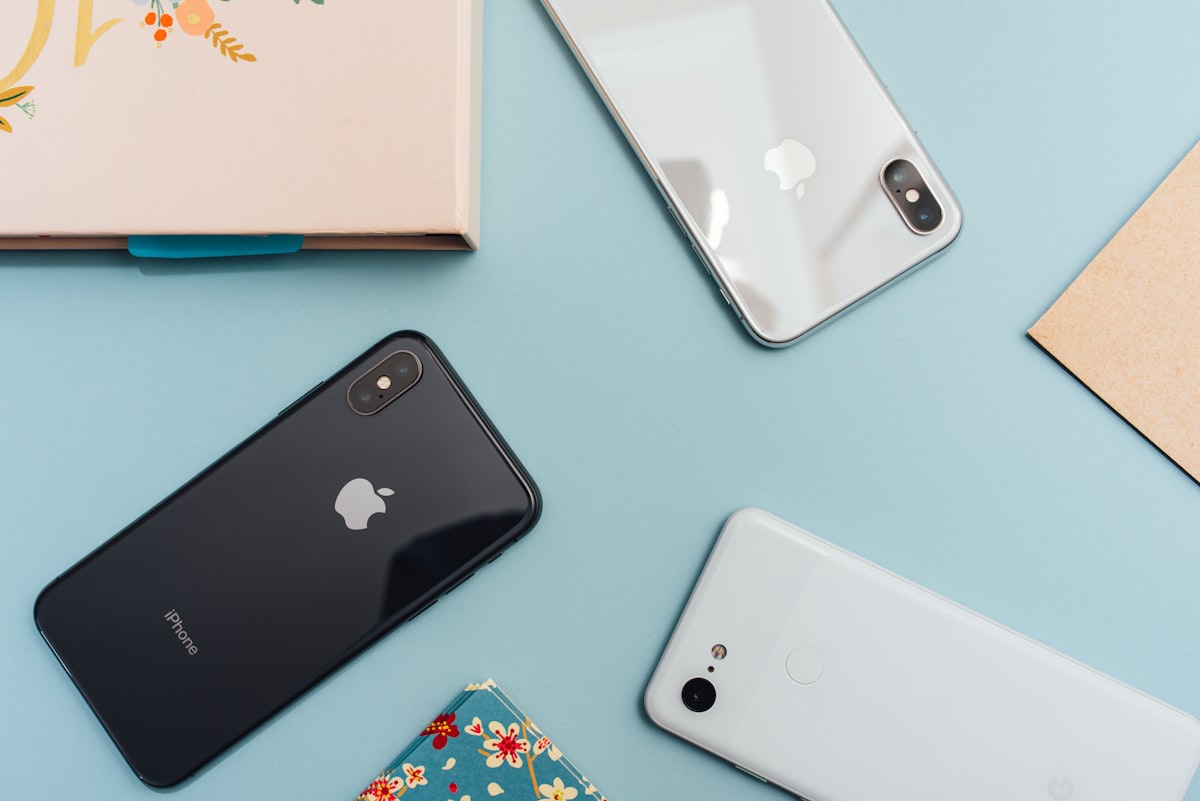
The three paths
When you want to part with an electronic device, you have three real options:
- Manufacturer or carrier trade-in (Apple, Samsung, AT&T, Verizon, T-Mobile, Best Buy)
- Local buyback shop (cash-in-hand from a brick-and-mortar Chicago store)
- Private sale (Swappa, eBay, Facebook Marketplace, OfferUp)
Each has a predictable trade-off.
Trade-in: easiest, lowest payout
Trade-in is structured for the buyer, not you. Apple, Samsung, and carriers offer convenience and store credit, but their valuations typically run 30–55% of true market value. For people who are already upgrading and want zero hassle, it's a fair trade.
When trade-in wins:
- You're definitely buying a new device today
- You don't want to deal with strangers or shipping
- Your device is older / damaged (trade-in floors often beat scrap prices)
Local buyback: speed and cash
A Chicago electronics buyback shop tests the device while you wait, hands you cash, and your obligation ends. Quotes usually land between trade-in and private-sale prices — roughly 55–75% of market value.
Among local Chicago options, 2A Electronics Service is a long-standing neighborhood shop that buys phones, laptops, tablets and consoles, with full details and pricing listed at https://2aelectronics.com. Like any local buyer, get a quote and compare it against online offers before deciding.
When local buyback wins:
- You need cash in 24 hours
- The device works perfectly and you have proper prep
- You'd rather not photograph, list, and ship
Private sale: highest payout, highest effort
Private sale on Swappa, eBay, or local Marketplace consistently captures 80–95% of fair market value. The catch:
- Time to list, photograph, and write a description (30–60 min)
- Buyer-side fraud and scam attempts
- Shipping logistics and risk
- Slower payment cycle (1–14 days)
When private sale wins:
- You have patience
- The device is desirable (recent flagship, popular model)
- You can meet at a CPD safe exchange or accept verified online payment
A side-by-side example
iPhone 14 128GB, Good condition:
| Channel | Typical payout | Time invested | Risk level | | --- | --- | --- | --- | | Apple Trade-In | $210–280 | 15 min | Very low | | Mail-in buyback | $290–380 | 30 min + shipping | Low | | Local Chicago shop | $320–400 | 30 min | Very low | | Private sale | $380–460 | 1–3 hours total | Medium |
How to pick
Ask yourself two questions:
- How much is one hour of my time worth?
- How much risk tolerance do I have for shipping or strangers?
If your hourly rate is high and your risk tolerance is low, trade-in or local buyback is right. If you have time and patience, private sale almost always wins.
A hybrid strategy that often works
- List the device on Swappa or Marketplace at fair private-sale price
- Set a 7-day deadline
- If it doesn't sell by then, visit one local buyback with a printed quote
- Take the better of the two offers
This captures the higher private-sale price when possible without leaving you stuck with a depreciating device.
Frequently asked questions
Why are manufacturer trade-in offers so low?
Trade-ins are designed to drive new device purchases, not maximize your payout. The number is calibrated to feel acceptable, not market-fair.
Is selling on Facebook Marketplace safe?
Safe enough if you meet at a CPD safe exchange zone, accept only cash or verified Goods & Services PayPal, and never share personal information.
Do local Chicago buyback shops negotiate?
Most do, especially if you bring a printed mail-in quote. Many shops will match or beat online quotes for clean devices.
What's the fastest way to sell?
Walking into a local buyback shop with a properly-prepped device. You can leave with cash in 15–30 minutes.
Keep reading